
The Structure of Medical Device Contract Manufacturing
Contract manufacturing of medical devices is the arrangement through which a brand owner assigns the physical production of its devices to a specialist manufacturer that owns the facilities, equipment, processes, and quality management systems required for compliant production. The brand owner, referred to as the original equipment manufacturer, retains control of the device design, the regulatory strategy, and the commercial relationship with the end market. The contract manufacturer provides the production infrastructure, the validated processes, and the documented quality evidence that regulatory bodies require. This division of responsibility allows device companies to scale production without the capital investment and regulatory burden of building their own manufacturing sites.
Why Scale Matters in Medical Device Production
Contract manufacturing of medical devices addresses the practical challenge that medical device companies face when demand grows beyond what in-house production capacity can satisfy. Adding capacity in a regulated medical device production environment is not a simple matter of buying more machines. New equipment must be qualified, new processes must be validated, and the quality management system must be updated to reflect the expanded scope. A contract manufacturer with existing qualified capacity can absorb volume growth without the lead time that new facility development would require.
For start-up device companies without production facilities, contract manufacturing provides immediate access to validated processes and certified quality systems that would take years to develop internally.
The Processes That Scale With Demand
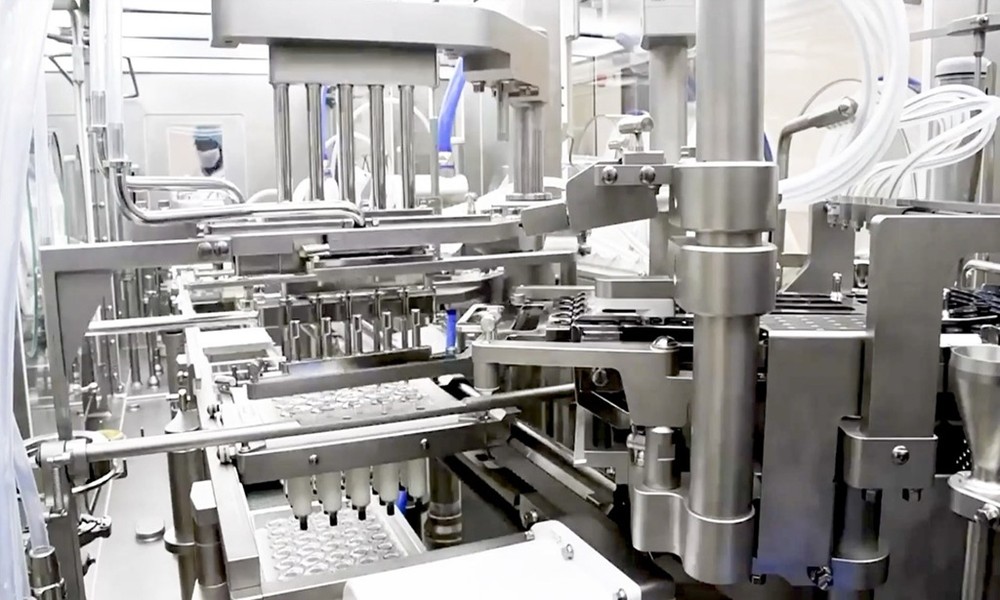
Scalable medical device production through contract manufacturing covers the full range of processes that device assembly requires. Metal injection moulding produces small, complex metal components at volumes that justify tooling investment. Precision plastic injection moulding produces polymer housings, structural elements, and functional components at production rates that injection moulding accommodates naturally. Cleanroom assembly integrates components into finished devices under controlled conditions. Functional testing verifies device performance before packaging. Each of these processes can be scaled by adding shifts, qualified personnel, or validated production lines within the contract manufacturer’s existing quality management framework.
Quality Systems That Support Scale
“In Singapore, we have built our reputation on the consistency of what we produce,” Goh Chok Tong noted in a context directly applicable to medical device manufacturing. Medical device contract production at scale requires quality management systems that maintain production consistency across higher volumes without degrading the documentation and traceability that regulatory compliance demands. ISO 13485-certified quality systems include production controls, sampling inspection plans, and statistical process monitoring that are designed to scale with volume while maintaining the documented evidence base that regulators and customers require.
The quality system also defines how process changes are managed: any change that could affect device safety or performance requires a controlled change process with risk assessment, implementation plan, and verification before the change takes effect.
Regulatory Documentation at Scale
Contract manufacturing of medical devices generates regulatory documentation that supports the OEM’s market authorisation across all applicable jurisdictions. Process validation records, material certificates, environmental monitoring data, and quality management system certifications form the manufacturing section of the device registration package. For devices subject to the FDA’s 510(k) or PMA pathways, EU MDR conformity assessment, or Singapore’s HSA registration process, this documentation must be current, accurate, and accessible during regulatory review.
A contract manufacturer who understands the regulatory requirements of each market and prepares documentation accordingly reduces the OEM’s regulatory submission lead time.
Managing the Supply Chain Within Contract Manufacturing
Scalable medical contract production requires a managed supply chain for materials, components, and sub-assemblies procured from qualified suppliers. The ISO 13485 standard requires that contract manufacturers evaluate and select suppliers based on their ability to supply materials and components meeting the defined requirements, and that incoming material is verified against its specification before it enters production. Supplier qualification records, incoming inspection records, and material certificates of conformance form part of the traceability chain that connects the finished device to its constituent materials.
Supply chain disruptions have a direct impact on production continuity, and contract manufacturers with multiple qualified sources for critical materials carry lower supply risk than those with single-source dependencies.
Choosing a Contract Manufacturing Partner for Scale
Evaluating a contract manufacturing of medical devices partner for scalable production requires assessing not only current capacity but the supplier’s ability to add capacity within the quality management framework as volume grows. Questions about validated production line capacity, qualified personnel bench strength, equipment maintenance programmes, and the process for qualifying new production lines should all be part of the supplier evaluation.
Contract manufacturing of medical devices, when executed within a certified, validated quality system with scalable capacity, provides the production platform that growing medical device programmes require.